How does a technology company come to life?
By Sérgio Barbará Filho – Founding Partner
It was 1998, and I was a student in the industrial design program (or Design, for those who prefer that term), just about to graduate.
I had just finished a class at the RDC building of PUC-Rio and built a website project for the “computer science” course, taught by Maria das Graças Chagas. The project was carefully carried around on a floppy disk (some of you have never seen one of those, that’s fine, a visit here or a Google search will bring you up to speed), and, to a lot of people’s surprise, it actually worked.
You’d click a link, and the next page would load. Five pages, plain HTML, hand coded, with a few scanned images used as menu links.
The end of the year was approaching, and the rules said I needed to do an internship. I went knocking on companies’ doors, literally.
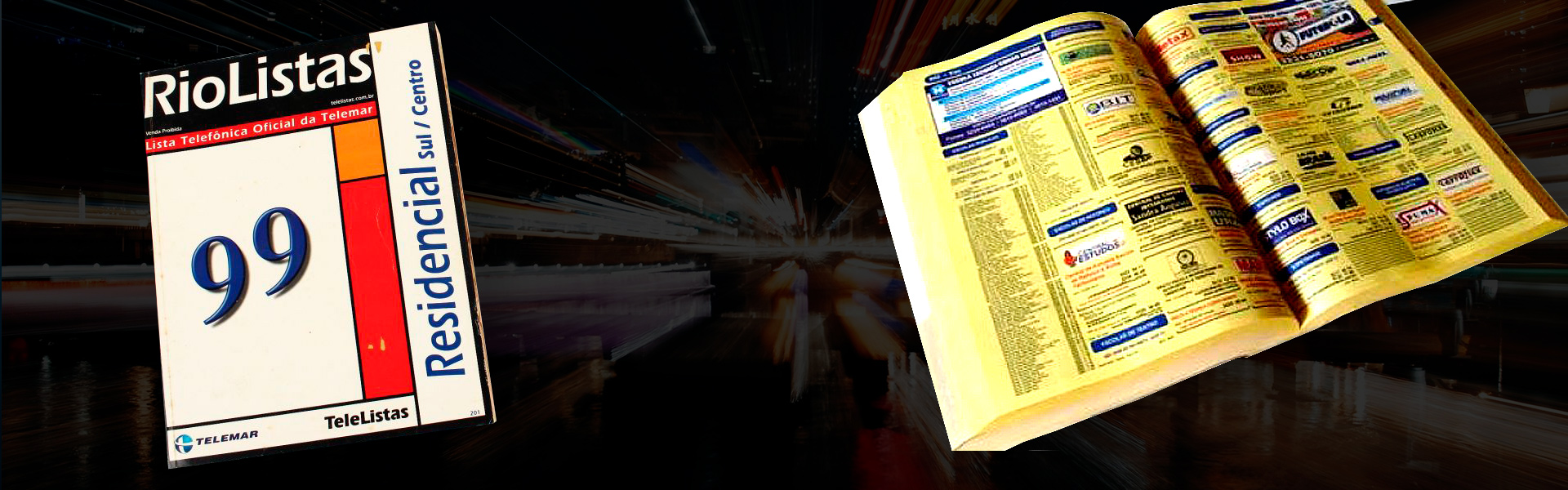
I presented my project at the interview and was hired on the spot as a web designer at Telelistas, the famous Brazilian yellow pages, in its newly created digital, online version. On the team, besides Sidnei Barcelos, who coordinated the group and opened the door to this whole universe for me, there were 5 programmers handling the databases, and me. My job was to give the project a new look, using the tools available at the time. (Hint: there was no vibe coding.)
That year, in 1999, quietly, the seed of what would become Pura Comunicação was planted. It combined design and technology to solve a real problem, supporting the company’s commercial operation in an environment going through full transformation.
Sound like a familiar challenge today?
Today, some years later, Pura Comunicação keeps solving that same challenge: serving companies across different segments and sizes, using technology and design to optimize processes, support business decisions, and represent companies in the digital environment.
If you’re facing any challenge with (always new) technologies and solutions for your business, send me a Hi on WhatsApp and let’s talk.
Technical notes for the enthusiasts:
Back in 1999, the telelistas.net portal ran on the following technology stack:

Perl, the programming language
SQL Server, the database
HTML, for the portal's static sections
Software: Microsoft FrontPage, later Dreamweaver
Market screen resolution: 1024x768
Solution adopted for responsiveness: HTML framesets
There was no version control
The project was hosted in a data center in downtown Rio de Janeiro